

Discover the soul of the North
Ancient temples, sacred islands, golden shores, and timeless heritage — everything Jaffna has to offer, curated for you.
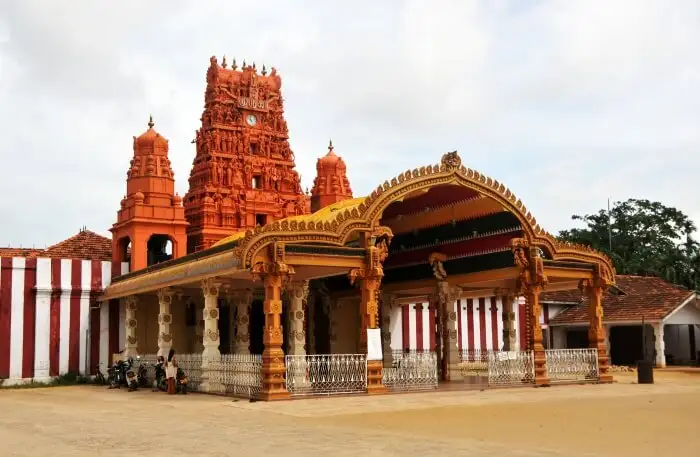


The Nallur Kandaswamy Kovil is the most revered Hindu temple in Jaffna and one of the most important in Sri Lanka. Dedicated to Lord Murugan (Skanda), the temple is a masterpiece of Dravidian architecture, adorned with an ornate gopuram (tower) decorated with thousands of sculpted deities in vibrant colors. The temple complex draws tens of thousands of devotees and tourists alike. Its most celebrated event, the 25-day Nallur Festival (Oonjal), held in July–August, is among the grandest Hindu festivals in the country — a dazzling spectacle of devotion, music, fire, and procession.
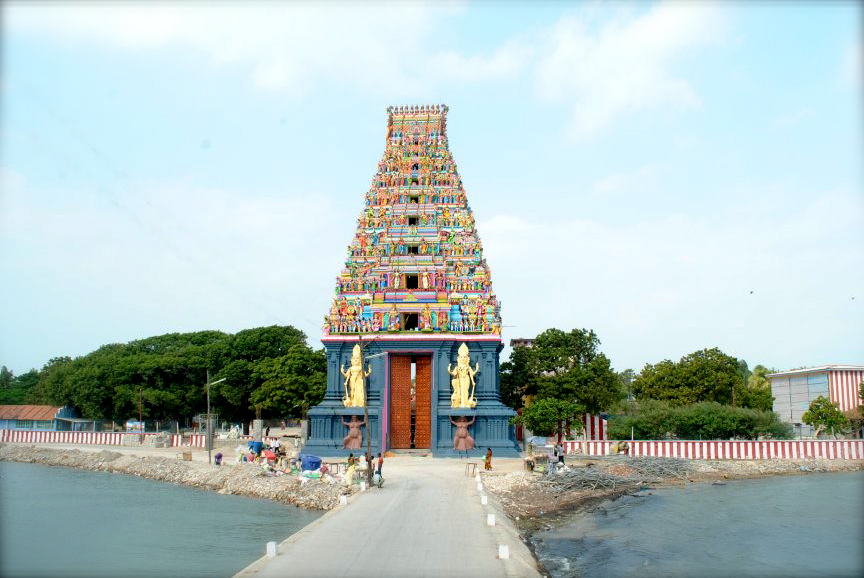


Located on the small island of Nainativu in the Jaffna Lagoon, Nagadipa Vihara is one of the sixteen sacred places mentioned in the Mahavamsa — the great Buddhist chronicle of Sri Lanka. Legend holds that Lord Buddha himself visited this island to mediate a dispute between two Naga kings. The existing dagoba (stupa) is believed to enshrine a jewelled throne gifted to the Buddha. The island is only accessible by boat from Kurikadduwan Pier, which itself requires a short ferry crossing from Punkudutivu — making the journey as memorable as the destination.
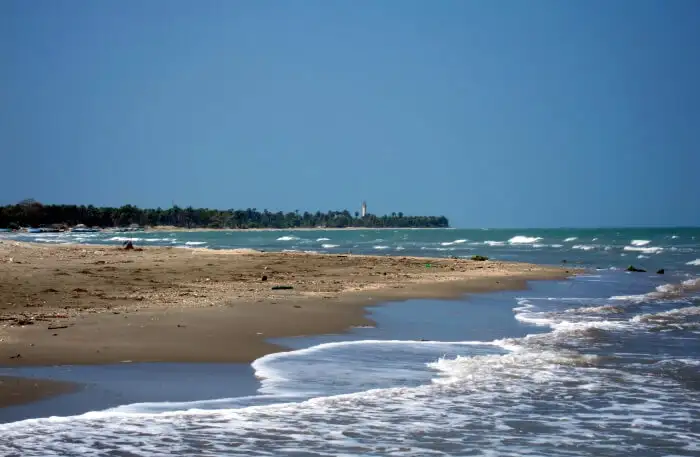

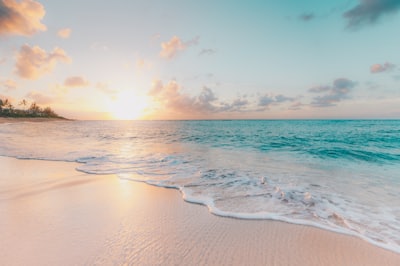
Casuarina Beach on Karainagar Island is widely regarded as one of the most beautiful beaches in the Jaffna Peninsula. Its name comes from the tall, elegant casuarina (ironwood) trees that line the shore, providing natural shade and a distinctive coastal atmosphere. The sea here is exceptionally calm and shallow — ideal for wading and swimming. Changing rooms, kiosks with local snacks, and ample parking make it a popular family retreat. The beach is especially magical at golden hour, when the sunset paints the sky in amber and rose over the glassy waters of the Palk Strait.
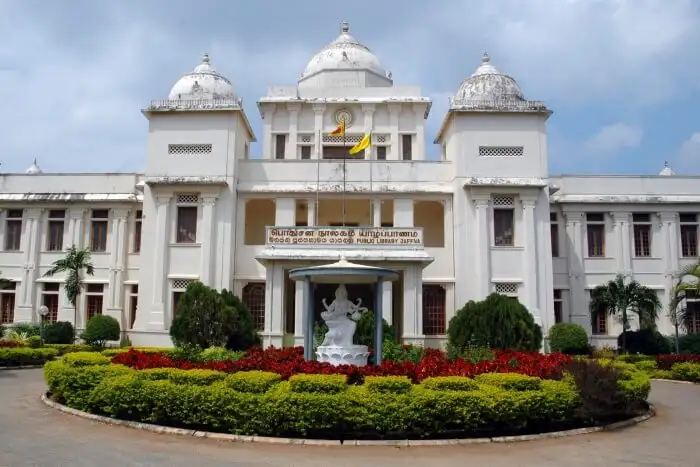

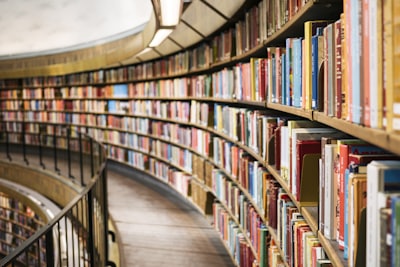
The Jaffna Public Library is one of the most iconic and emotionally significant landmarks in all of Sri Lanka. First established in 1933, it housed over 97,000 books and manuscripts — including irreplaceable palm-leaf texts of Tamil literature and history — before being tragically burned in 1981 during civil unrest. The library was painstakingly rebuilt and reopened in 2003, standing today as a proud symbol of resilience and the enduring spirit of Tamil scholarship. Its elegant white colonial-Dravidian dome, framed by the Jaffna Lagoon behind it, is one of the most photographed sights in the north.